Follow Us x
5 Signs You Need Professional Air Conditioning Repair Before Summer Hits Arkansas
June 1, 2026As temperatures rise across Arkansas each year, air conditioning systems become one of the most important parts of maintaining a comfortable and healthy indoor environment. Summers in the state are known for high humidity, prolonged heat waves, and heavy strain on residential and commercial cooling systems. Because of this, preparing an HVAC system before peak summer conditions arrive has become increasingly important for homeowners and businesses alike.
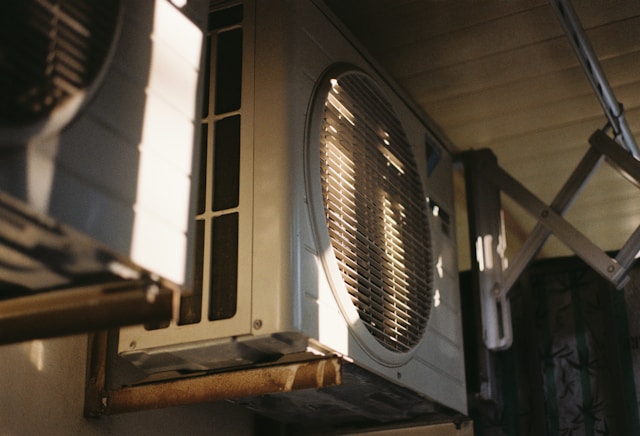
Many people wait until their air conditioner completely fails before seeking professional repairs. Unfortunately, this often leads to higher repair costs, emergency service calls, and extended periods without cooling during the hottest part of the year. In many cases, air conditioning systems provide warning signs long before a major breakdown occurs. Recognizing these early indicators can help property owners prevent larger issues, improve energy efficiency, and extend the lifespan of their HVAC systems.
Companies like M and M Heating & Air represent the growing importance of reliable HVAC support as Arkansas residents place greater focus on indoor comfort, energy efficiency, and year-round system performance.
Understanding the warning signs of a struggling air conditioning system is essential before the extreme summer temperatures arrive.
1. Weak Airflow Throughout the Home
One of the earliest and most noticeable signs of air conditioning trouble is weak airflow. If rooms in the home or building are not cooling evenly, or if air barely flows through the vents, the system may already be experiencing mechanical or airflow-related problems.
Weak airflow can be caused by several underlying issues, including:
- Clogged or dirty air filters
- Blocked ductwork
- Failing blower motors
- Frozen evaporator coils
- Restricted airflow from debris buildup
In Arkansas summers, weak airflow becomes especially problematic because the HVAC system must work significantly harder to maintain indoor temperatures. This added strain can increase energy consumption while placing additional pressure on system components.
Many homeowners initially assume weak airflow is a minor inconvenience, but it often signals a larger efficiency problem developing inside the system. Addressing airflow issues early can prevent complete system failure during peak summer heat.
2. Warm Air Coming From the Vents
Another major warning sign is when an air conditioning system blows warm or inconsistent air despite being set to cooling mode. If the thermostat settings appear correct but the system fails to cool properly, professional inspection is often necessary.
Warm air may indicate:
- Refrigerant leaks
- Compressor problems
- Electrical malfunctions
- Thermostat calibration issues
- Restricted condenser performance
Because Arkansas summers regularly bring temperatures above 90 degrees with high humidity levels, a cooling system that cannot produce cold air quickly becomes a serious comfort issue.
In many cases, homeowners ignore this problem at first, assuming the system simply needs more time to cool the home. However, delayed repairs often allow minor mechanical issues to become more severe and expensive.
3. Unusual Noises During Operation
Modern HVAC systems are designed to operate relatively quietly. While normal startup and airflow sounds are expected, loud or unusual noises typically indicate internal wear or mechanical failure.
Some of the most common warning sounds include:
- Grinding
- Screeching
- Banging
- Buzzing
- Rattling
- Clicking
Different noises often point to different system problems. For example:
- Grinding may indicate motor or bearing issues
- Buzzing could signal electrical problems
- Banging may suggest loose or damaged components
- Rattling could indicate debris or duct issues
These sounds should never be ignored because they usually worsen over time. In many cases, early repair prevents more extensive damage to critical HVAC components.
Noise-related issues also tend to reduce overall system efficiency, causing higher utility bills during periods of heavy summer usage.
4. Rising Energy Bills Without Increased Usage
One of the clearest indicators of HVAC inefficiency is a sudden increase in energy costs despite similar household usage patterns. If cooling expenses rise unexpectedly, the air conditioning system may already be struggling to operate efficiently.
Several issues can contribute to this problem:
- Aging system components
- Dirty coils or filters
- Refrigerant inefficiency
- Poor airflow circulation
- Thermostat malfunctions
When an air conditioner loses efficiency, it must run longer cycles to maintain the desired indoor temperature. This increased runtime leads directly to higher electricity consumption.
In Arkansas, where air conditioning systems often operate continuously during summer months, even small efficiency losses can significantly impact monthly utility bills.
Professional maintenance and repairs help restore proper system performance while improving long-term energy efficiency.
5. Excess Humidity Inside the Home
Air conditioners do more than cool indoor spaces they also help regulate humidity levels. If the home begins feeling damp, sticky, or unusually humid, the HVAC system may not be functioning correctly.
Excess indoor humidity can create several problems, including:
- Reduced indoor comfort
- Mold and mildew growth
- Poor indoor air quality
- Increased allergen exposure
- Damage to walls, flooring, and furniture
Arkansas summers naturally bring high outdoor humidity, making proper indoor moisture control especially important. A failing air conditioning system may cool the air slightly while still struggling to remove excess moisture effectively.
Humidity-related issues are often overlooked because homeowners focus primarily on temperature. However, indoor moisture control plays a major role in overall comfort and HVAC performance.
Why Preventive Repairs Matter Before Summer
Waiting until peak summer temperatures arrive often creates additional stress on already struggling HVAC systems. Once temperatures rise significantly, repair demand increases, leading to longer wait times for appointments, higher emergency repair costs, and a greater risk of complete breakdowns. Homeowners looking for professional air conditioner repair windsor services can also benefit from scheduling inspections and repairs before their cooling systems are pushed to their limits.
Preventive repairs before summer offer several advantages:
- Improved system reliability
- Lower energy consumption
- Better indoor comfort
- Extended equipment lifespan
- Reduced risk of emergency failures
Early inspections also allow technicians to identify hidden issues before they become expensive repairs.
The Impact of Arkansas Climate on HVAC Systems
Arkansas weather places unique demands on heating and cooling systems. The combination of high humidity, strong summer heat, and fluctuating seasonal temperatures causes HVAC systems to work harder throughout the year.
Common climate-related HVAC challenges include:
- Increased condensation buildup
- Extended cooling cycles
- Greater compressor strain
- Faster air filter contamination
- Higher moisture exposure in duct systems
These conditions make regular maintenance and timely repairs especially important for homeowners and business owners across the state.
Modern HVAC Expectations in 2026
In 2026, homeowners expect more from their HVAC systems than simple temperature control. Modern indoor comfort now includes:
- Energy efficiency
- Smart thermostat integration
- Improved indoor air quality
- Consistent airflow
- Quiet operation
- Humidity management
As energy costs continue rising, many property owners are prioritizing HVAC performance and system efficiency more than ever before.
Companies such as M and M Heating & Air reflect this growing industry focus on reliable indoor comfort solutions and long-term system performance.
Conclusion
Air conditioning systems rarely fail without warning. Weak airflow, warm air, unusual noises, rising utility bills, and excess humidity are all signs that professional repair may be needed before summer arrives in Arkansas.
Addressing these issues early helps homeowners avoid costly breakdowns during peak heat while improving comfort, efficiency, and overall HVAC reliability. As summers continue becoming more demanding on cooling systems, preventive maintenance and timely repairs have become essential parts of responsible homeownership.
In 2026, indoor comfort is no longer considered a luxury—it is an important part of maintaining health, productivity, and quality of life throughout Arkansas’s intense summer season.
- Copyright © 2018 M and M Heating and Air, all rights reserved.
