Follow Us x
Commercial HVAC Systems for Arkansas Businesses: Improving Comfort, Efficiency, and Operational Performance
July 6, 2026In today’s competitive business environment, maintaining a comfortable and productive indoor environment is essential for success. Whether operating an office building, retail store, restaurant, healthcare facility, warehouse, or manufacturing plant, Arkansas businesses rely heavily on efficient heating, ventilation, and air conditioning systems to support daily operations. A properly designed and maintained HVAC system not only keeps employees and customers comfortable but also contributes to energy efficiency, indoor air quality, and long-term operational performance.
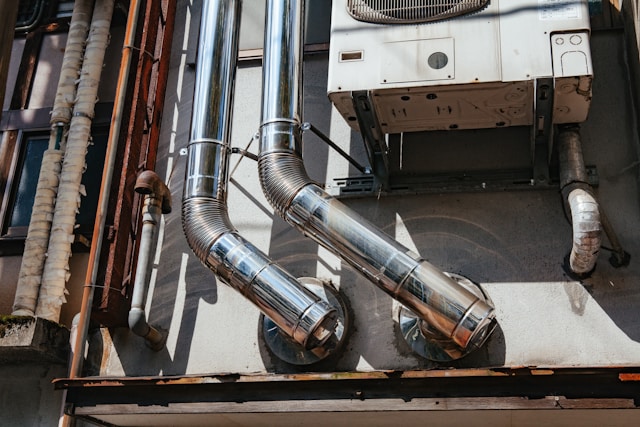
Commercial HVAC Systems for Arkansas Businesses: Improving Comfort, Efficiency, and Operational Performance explores the critical role commercial heating and cooling systems play in modern businesses. From energy-efficient upgrades and preventative maintenance strategies to indoor air quality improvements and building automation technologies, understanding commercial HVAC systems can help business owners reduce costs, improve reliability, and create healthier work environments.
Why Commercial HVAC Systems Matter for Arkansas Businesses
Arkansas experiences a wide range of weather conditions throughout the year. Hot, humid summers and cooler winter temperatures require commercial buildings to maintain reliable heating and cooling performance year-round. An inefficient HVAC system can negatively affect employee productivity, customer satisfaction, and overall business operations.
Commercial HVAC systems provide several essential benefits:
- Consistent indoor comfort
- Improved employee productivity
- Enhanced customer experience
- Better indoor air quality
- Reduced energy consumption
- Lower operating expenses
- Equipment protection and longevity
- Regulatory compliance
Businesses that invest in properly designed HVAC systems often experience fewer disruptions and lower long-term maintenance costs.
Understanding Commercial HVAC Systems
Commercial HVAC systems are designed to regulate temperature, humidity, ventilation, and air quality within commercial buildings. Unlike residential systems, commercial HVAC equipment is often larger, more complex, and capable of serving multiple zones or entire facilities.
A commercial HVAC system typically consists of:
- Heating equipment
- Air conditioning equipment
- Ventilation components
- Air distribution systems
- Commercial thermostats
- Air filtration systems
- Controls and automation technologies
The specific configuration depends on the building size, occupancy levels, operational requirements, and energy goals.
Common Types of Commercial HVAC Systems
Arkansas businesses have several HVAC options available depending on building requirements.
Rooftop Units (RTUs)
Rooftop Units, commonly known as RTUs, are among the most widely used commercial HVAC systems. These self-contained systems are installed on the roof and provide both heating and cooling from a single unit.
Benefits of RTUs include:
- Space-saving design
- Simplified maintenance access
- Energy-efficient operation
- Scalability for larger facilities
Retail stores, schools, office buildings, and restaurants frequently utilize rooftop units because of their flexibility and reliability.
Split Systems
Commercial split systems separate indoor and outdoor components. The indoor unit handles air distribution, while the outdoor unit manages heat transfer.
Advantages include:
- Flexible installation
- Quiet indoor operation
- Cost-effective performance
- Suitable for smaller commercial spaces
Split systems are often used in offices, small businesses, and professional buildings.
Heat Pumps
Heat pumps provide both heating and cooling through efficient heat transfer technology.
Benefits include:
- Reduced energy consumption
- Year-round climate control
- Lower operating costs
- Improved efficiency in moderate climates
Many Arkansas businesses are exploring heat pump solutions as part of broader energy-efficiency initiatives.
Common HVAC Challenges Facing Arkansas Businesses
Commercial buildings in Arkansas encounter several HVAC-related challenges due to climate conditions, occupancy demands, and aging infrastructure.
High Summer Temperatures
Extended periods of hot weather place heavy demands on commercial air conditioning systems. Overworked equipment may experience increased wear, reduced efficiency, and higher utility costs.
Humidity Control
Excess humidity can affect comfort, indoor air quality, and building materials. Proper HVAC system design helps maintain balanced humidity levels throughout the year.
Aging Equipment
Older HVAC systems often consume more energy and require frequent repairs. Aging equipment may struggle to maintain consistent temperatures and indoor comfort.
Uneven Temperature Distribution
Large commercial buildings frequently experience hot and cold spots due to inadequate airflow or poor system design.
Rising Energy Costs
Utility expenses represent a significant operating cost for many businesses. Inefficient HVAC systems can dramatically increase monthly energy bills.
Addressing these challenges requires strategic planning, preventative maintenance, and modern equipment upgrades.
The Importance of Energy Efficiency
Energy efficiency has become a major priority for Arkansas businesses seeking to reduce operating expenses and improve sustainability.
Commercial HVAC systems often account for a substantial percentage of a building’s total energy usage. Even modest efficiency improvements can generate significant long-term savings.
Benefits of energy-efficient HVAC systems include:
- Lower utility bills
- Reduced environmental impact
- Improved equipment performance
- Enhanced building value
- Better occupant comfort
Energy-efficient systems often incorporate advanced controls, variable-speed motors, improved insulation, and high-efficiency heating and cooling technologies.
Cost-Saving Strategies for Commercial Properties
Reducing HVAC-related expenses requires a proactive approach.
Upgrade to High-Efficiency Equipment
Modern HVAC systems are designed to operate more efficiently than older equipment. Replacing outdated units can significantly reduce energy consumption.
Install Programmable Commercial Thermostats
Commercial thermostats allow businesses to optimize temperature settings based on occupancy schedules and operational needs.
Benefits include:
- Reduced after-hours energy use
- Improved temperature consistency
- Better control over operating costs
Utilize HVAC Zoning
HVAC zoning divides a building into separate temperature-controlled areas.
Advantages include:
- Customized comfort settings
- Reduced energy waste
- Improved operational efficiency
- Better occupant satisfaction
Zoning is particularly effective for multi-story buildings and facilities with varying occupancy patterns.
Improve Building Insulation
Better insulation reduces heating and cooling demands by minimizing energy loss through walls, roofs, windows, and doors.
Benefits of Commercial HVAC Maintenance
Routine HVAC maintenance is one of the most cost-effective investments a business can make.
Preventative maintenance helps ensure that systems operate efficiently while reducing the likelihood of unexpected failures.
Key benefits include:
Reduced Downtime
Unexpected HVAC breakdowns can disrupt operations, inconvenience customers, and affect productivity.
Regular maintenance helps identify problems before they become major failures.
Improved Energy Efficiency
Clean filters, properly calibrated controls, and optimized system performance reduce energy consumption and operating costs.
Extended Equipment Lifespan
Well-maintained HVAC equipment often lasts significantly longer than neglected systems.
Lower Repair Costs
Minor issues are typically less expensive to address than major component failures.
Better Indoor Comfort
Routine maintenance ensures consistent heating and cooling performance throughout the facility.
Preventative Maintenance Best Practices
A comprehensive preventative maintenance program should include:
- Filter replacement
- Coil cleaning
- Refrigerant checks
- Thermostat calibration
- Electrical inspections
- Belt and motor inspections
- Airflow testing
- Ductwork evaluations
Many businesses schedule maintenance twice annually—before summer cooling season and before winter heating season.
Improving Indoor Air Quality
Indoor air quality has become increasingly important for commercial facilities.
Poor air quality can negatively impact:
- Employee health
- Productivity
- Customer satisfaction
- Regulatory compliance
Commercial HVAC systems play a critical role in maintaining healthy indoor environments.
Air Filtration Systems
Modern air filtration systems help remove:
- Dust
- Pollen
- Mold spores
- Bacteria
- Airborne contaminants
Advanced filtration technologies improve air quality while supporting healthier workspaces.
Ventilation Improvements
Proper ventilation introduces fresh outdoor air while removing stale indoor air.
Benefits include:
- Reduced airborne pollutants
- Improved occupant comfort
- Better humidity control
- Enhanced overall air quality
Humidity Management
Controlling humidity helps prevent mold growth and improves indoor comfort levels.
Commercial HVAC systems can regulate moisture levels through proper ventilation and dehumidification technologies.
Building Automation Systems and Smart HVAC Controls
Building Automation Systems (BAS) have transformed how commercial HVAC systems operate.
These advanced technologies allow businesses to monitor and control building performance from centralized platforms.
Benefits include:
- Real-time system monitoring
- Automated scheduling
- Energy usage tracking
- Predictive maintenance alerts
- Improved efficiency
Building automation systems can identify performance issues early and optimize HVAC operations based on occupancy patterns and environmental conditions.
Signs It May Be Time to Replace Your Commercial HVAC System
Even well-maintained systems eventually reach the end of their service life.
Common replacement indicators include:
Increasing Repair Costs
Frequent repairs may indicate that replacement is more cost-effective than continued maintenance.
Rising Utility Bills
A noticeable increase in energy consumption may signal declining efficiency.
Inconsistent Temperatures
Difficulty maintaining comfortable temperatures often points to aging equipment.
Poor Indoor Air Quality
Older systems may struggle to provide adequate filtration and ventilation.
System Age
Many commercial HVAC systems have an expected lifespan of approximately 15 to 25 years, depending on usage and maintenance practices.
Replacing outdated equipment can provide substantial energy savings and performance improvements.
The Impact of HVAC Systems on Employee Productivity
Comfortable indoor environments directly affect employee performance and satisfaction.
Research consistently shows that temperature, ventilation, and air quality influence:
- Concentration
- Productivity
- Attendance
- Workplace morale
Commercial HVAC systems help create environments where employees can perform at their best while reducing discomfort and distractions.
Enhancing Customer Experience Through Comfort
For customer-facing businesses, indoor comfort significantly influences visitor perceptions.
Retail stores, restaurants, healthcare facilities, and hospitality businesses all benefit from maintaining comfortable indoor conditions.
Customers are more likely to:
- Remain longer
- Spend more time browsing
- Return in the future
- Leave positive reviews
Reliable HVAC performance supports positive customer experiences and strengthens brand reputation.
Choosing the Right Commercial HVAC Partner
Selecting an experienced HVAC contractor is essential for maximizing system performance and long-term value.
Business owners should evaluate providers based on:
- Commercial HVAC experience
- Licensing and certifications
- Maintenance capabilities
- Emergency service availability
- Energy-efficiency expertise
- Knowledge of Arkansas building requirements
An experienced HVAC partner can provide guidance on system selection, maintenance planning, energy optimization, and equipment replacement.
Conclusion
Commercial HVAC Systems for Arkansas Businesses: Improving Comfort, Efficiency, and Operational Performance highlights the critical role heating, cooling, ventilation, and air quality systems play in modern commercial facilities. From rooftop units and split systems to heat pumps and building automation technologies, today’s HVAC solutions help businesses create comfortable environments while controlling operating costs.
By investing in preventative maintenance, energy-efficient upgrades, air filtration systems, HVAC zoning, and smart building controls, Arkansas businesses can improve indoor comfort, enhance employee productivity, support customer satisfaction, and reduce utility expenses. Whether operating a small office or a large commercial facility, a properly maintained HVAC system remains one of the most valuable investments a business can make for long-term success and operational reliability.

- Copyright © 2018 M and M Heating and Air, all rights reserved.
