Follow Us x
Commercial Refrigeration and Custom Ductwork: Essential Components for Efficient Business Operations
June 23, 2026In today’s competitive business environment, operational efficiency is critical for profitability, customer satisfaction, and regulatory compliance. For restaurants, grocery stores, warehouses, food processing facilities, and many other commercial operations, two often-overlooked systems play a vital role in daily success: commercial refrigeration and custom ductwork. These systems work behind the scenes to preserve products, maintain safe temperatures, support indoor comfort, and optimize energy consumption.
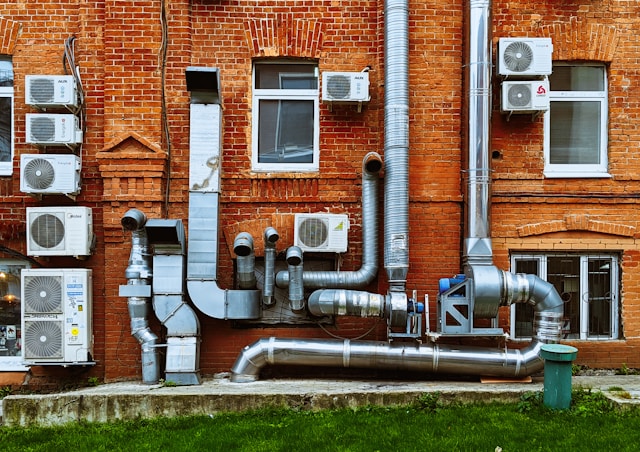
Commercial Refrigeration and Custom Ductwork: Essential Components for Efficient Business Operations examines how refrigeration systems and HVAC duct systems contribute to business performance, the importance of preventative maintenance, and the benefits of investing in professionally designed solutions. Whether managing food storage, improving airflow, or reducing energy costs, understanding these critical systems can help businesses improve reliability and long-term operational efficiency.
Why Commercial Refrigeration and Ductwork Matter
Commercial facilities rely on precise temperature control and proper air distribution to maintain productivity and protect valuable inventory. A malfunctioning refrigeration unit can result in spoiled products, regulatory violations, and financial losses. Similarly, poorly designed ductwork can create ventilation problems, uneven temperatures, and excessive energy consumption.
Businesses that invest in quality refrigeration systems and custom ductwork benefit from:
- Improved product preservation
- Enhanced indoor comfort
- Better energy efficiency
- Reduced operating costs
- Improved airflow and ventilation
- Increased equipment lifespan
- Regulatory compliance
- Reduced downtime and disruptions
Together, these systems form the backbone of many commercial operations.
Understanding Commercial Refrigeration Systems
Commercial refrigeration systems are designed to maintain specific temperature ranges for food, beverages, pharmaceuticals, and other temperature-sensitive products. Unlike residential refrigerators, commercial units are engineered for continuous operation, larger storage capacities, and demanding commercial environments.
Common commercial refrigeration equipment includes:
- Walk-in coolers
- Walk-in freezers
- Reach-in refrigerators
- Display cases
- Refrigerated prep tables
- Ice machines
- Cold storage warehouses
These systems are essential for maintaining product quality and safety while meeting industry regulations.
The Importance of Walk-In Coolers and Walk-In Freezers
Walk-in coolers and walk-in freezers are among the most important refrigeration assets in commercial facilities.
Walk-In Coolers
Walk-in coolers provide temperature-controlled environments for storing perishable goods such as:
- Fresh produce
- Dairy products
- Beverages
- Prepared foods
- Floral products
These units help businesses maintain inventory quality while supporting efficient operations.
Walk-In Freezers
Walk-in freezers preserve frozen goods for extended periods. They are commonly used in:
- Restaurants
- Grocery stores
- Food distributors
- Warehouses
- Healthcare facilities
Proper temperature control is essential to prevent spoilage and ensure compliance with food safety standards.
Common Commercial Refrigeration System Issues
Even well-maintained refrigeration systems can experience problems over time. Identifying issues early helps prevent costly failures and inventory losses.
Refrigeration Compressor Failures
The refrigeration compressor is often considered the heart of the system. Compressor problems can result from:
- Electrical issues
- Refrigerant leaks
- Excessive wear
- Poor maintenance
A failing compressor may struggle to maintain proper temperatures and increase energy consumption.
Refrigerant Leaks
Low refrigerant levels reduce cooling capacity and place additional strain on equipment. Refrigerant leaks should be addressed promptly to avoid system damage and performance issues.
Evaporator and Condenser Coil Problems
Dirty coils reduce heat transfer efficiency and force refrigeration systems to work harder. Routine cleaning helps maintain proper operation and energy efficiency.
Temperature Fluctuations
Inconsistent temperatures can compromise product quality and indicate issues with sensors, controls, airflow, or mechanical components.
Ice Buildup
Excessive frost accumulation may signal defrost cycle problems, airflow restrictions, or refrigeration system malfunctions.
Addressing these issues quickly helps prevent product loss and expensive repairs.
Importance of Commercial Refrigeration Maintenance
Preventative maintenance is essential for maximizing refrigeration performance and minimizing unexpected breakdowns.
Regular refrigeration maintenance provides several benefits:
Improved Equipment Reliability
Routine inspections help identify worn components before they fail.
Reduced Energy Costs
Well-maintained refrigeration systems operate more efficiently and consume less energy.
Longer Equipment Lifespan
Proper maintenance reduces strain on compressors, motors, fans, and other critical components.
Regulatory Compliance
Businesses that handle food products must meet strict storage temperature requirements. Regular maintenance helps ensure compliance with health and safety regulations.
Reduced Product Loss
Preventing equipment failures helps protect valuable inventory from spoilage.
A comprehensive refrigeration maintenance program often includes inspections, cleaning, refrigerant checks, electrical testing, and performance evaluations.
Energy-Efficient Refrigeration Technologies
Energy management has become a major priority for businesses seeking to reduce operating expenses.
Modern refrigeration systems offer several energy-saving features:
Variable-Speed Compressors
Variable-speed technology allows compressors to adjust output based on cooling demand, reducing energy consumption.
Advanced Temperature Controls
Digital controls improve temperature accuracy while optimizing system performance.
High-Efficiency Motors
Energy-efficient motors reduce electricity usage and improve overall equipment reliability.
Smart Monitoring Systems
Remote monitoring technologies allow businesses to track refrigeration performance and receive alerts when problems occur.
LED Refrigeration Lighting
LED lighting generates less heat and consumes significantly less energy than traditional lighting systems.
Investing in energy-efficient refrigeration technologies can produce meaningful long-term savings while improving operational reliability.
The Role of Custom Ductwork in Commercial Buildings
While refrigeration protects products, custom ductwork ensures proper air distribution throughout commercial facilities.
HVAC duct systems deliver conditioned air from heating and cooling equipment to occupied spaces. Properly designed ductwork improves comfort, ventilation, and energy efficiency.
Custom ductwork is often necessary because every commercial building has unique requirements based on:
- Building size
- Occupancy levels
- Equipment loads
- Operational needs
- Architectural design
A one-size-fits-all approach rarely provides optimal performance.
Benefits of Professionally Designed Ductwork
Professionally engineered HVAC duct systems offer several advantages.
Improved Airflow Optimization
Proper duct sizing and layout help ensure balanced airflow throughout the building.
Benefits include:
- Consistent temperatures
- Improved occupant comfort
- Reduced equipment strain
- Better HVAC efficiency
Enhanced Indoor Air Quality
Well-designed ductwork supports proper ventilation and air circulation, helping remove airborne contaminants and improve indoor air quality.
Lower Energy Consumption
Poorly designed duct systems can waste energy through leaks, restrictions, and inefficient airflow paths.
Custom ductwork minimizes these inefficiencies and supports energy management goals.
Reduced Noise Levels
Proper duct design can help reduce airflow-related noise and improve workplace comfort.
Air Distribution Systems and Ventilation Best Practices
Air distribution systems play a critical role in maintaining healthy indoor environments.
Proper ventilation helps:
- Remove pollutants
- Control humidity
- Improve occupant comfort
- Support employee productivity
- Protect equipment and inventory
Commercial buildings should follow ventilation best practices such as:
Balanced Airflow
Supply and return airflow should be properly balanced to prevent pressure issues and uneven temperatures.
Regular Filter Replacement
Clean filters improve airflow and help maintain indoor air quality.
Routine Duct Inspections
Periodic inspections help identify leaks, blockages, and other performance concerns.
Humidity Control
Maintaining appropriate humidity levels helps prevent mold growth and supports occupant comfort.
Businesses that prioritize ventilation often experience improved employee satisfaction and better overall building performance.
Sheet Metal Fabrication and Custom Ductwork Solutions
Custom ductwork relies heavily on professional sheet metal fabrication. Fabricated duct components are designed to fit specific building layouts and performance requirements.
Sheet metal fabrication allows contractors to create:
- Supply ducts
- Return ducts
- Transition fittings
- Elbows and connectors
- Exhaust systems
- Ventilation components
Custom fabrication ensures that HVAC systems operate efficiently while accommodating unique architectural constraints.
Refrigeration and HVAC Integration
In many commercial facilities, refrigeration systems and HVAC equipment must work together.
For example:
Restaurants
Restaurants require refrigeration for food storage while maintaining comfortable dining environments.
Grocery Stores
Grocery stores depend on refrigeration displays and freezers while also controlling indoor temperature and humidity.
Warehouses
Large storage facilities often require specialized climate control and ventilation systems.
Coordinating refrigeration and HVAC performance helps reduce energy waste and improve operational efficiency.
Preventative Maintenance Programs
A structured preventative maintenance program is one of the most effective ways to protect refrigeration and ductwork investments.
A comprehensive maintenance plan typically includes:
Refrigeration System Services
- Compressor inspections
- Refrigerant checks
- Coil cleaning
- Temperature verification
- Electrical testing
Ductwork Services
- Airflow testing
- Leak inspections
- Filter replacement
- Ventilation evaluations
- Duct cleaning when necessary
HVAC System Services
- Equipment inspections
- Thermostat calibration
- Motor and fan testing
- Preventative repairs
Preventative maintenance reduces the risk of unexpected failures while extending equipment lifespan.
Cost-Saving Strategies for Commercial Facilities
Businesses can lower operating costs by implementing several practical strategies.
Upgrade Aging Equipment
New refrigeration and HVAC systems often provide significantly better efficiency than older models.
Improve Airflow Efficiency
Optimized ductwork reduces wasted energy and improves comfort.
Utilize Smart Controls
Building automation systems help monitor performance and identify opportunities for energy savings.
Schedule Regular Maintenance
Routine maintenance remains one of the most cost-effective ways to prevent expensive repairs and energy waste.
Monitor Energy Usage
Tracking utility consumption helps identify unusual patterns that may indicate equipment problems.
These proactive measures can deliver substantial long-term savings.
Regulatory Compliance and Business Protection
Commercial refrigeration and ventilation systems often play an important role in meeting industry regulations.
Restaurants, grocery stores, healthcare facilities, and food distributors must maintain proper temperatures and air quality standards.
Reliable equipment helps businesses:
- Meet health and safety requirements
- Protect inventory
- Avoid regulatory penalties
- Maintain customer trust
- Reduce liability risks
Compliance-focused maintenance programs help ensure consistent performance and documentation.
Choosing the Right Commercial Service Partner
Selecting an experienced contractor is essential for successful refrigeration and ductwork projects.
Businesses should look for providers with expertise in:
- Commercial refrigeration
- Walk-in coolers
- Walk-in freezers
- HVAC duct systems
- Sheet metal fabrication
- Ventilation systems
- Energy management
- Preventative maintenance programs
An experienced service partner can recommend solutions tailored to operational requirements and long-term business goals.
Conclusion
Commercial Refrigeration and Custom Ductwork: Essential Components for Efficient Business Operations highlights the critical role these systems play in maintaining productivity, protecting inventory, improving comfort, and controlling energy costs. From walk-in coolers and walk-in freezers to custom HVAC duct systems and advanced air distribution solutions, properly designed and maintained equipment supports reliable daily operations across numerous industries.
By investing in preventative maintenance, energy-efficient technologies, professional sheet metal fabrication, and optimized airflow strategies, businesses can reduce operating expenses, improve indoor air quality, extend equipment lifespan, and maintain regulatory compliance. Whether managing a restaurant, grocery store, warehouse, or commercial facility, commercial refrigeration and custom ductwork remain essential investments that contribute directly to long-term operational success.

- Copyright © 2018 M and M Heating and Air, all rights reserved.
