Follow Us x
Residential Heating and Air Conditioning in Arkansas: How Homeowners Can Maximize Comfort and Lower Energy Bills
June 29, 2026Arkansas homeowners experience a wide range of weather throughout the year, from hot and humid summers to cold winter temperatures. Because of these seasonal extremes, dependable residential heating and air conditioning systems are essential for maintaining comfort, protecting indoor air quality, and controlling monthly utility expenses. A well-designed and properly maintained HVAC system can make the difference between a home that feels consistently comfortable and one that struggles with uneven temperatures, high energy bills, and frequent repairs.
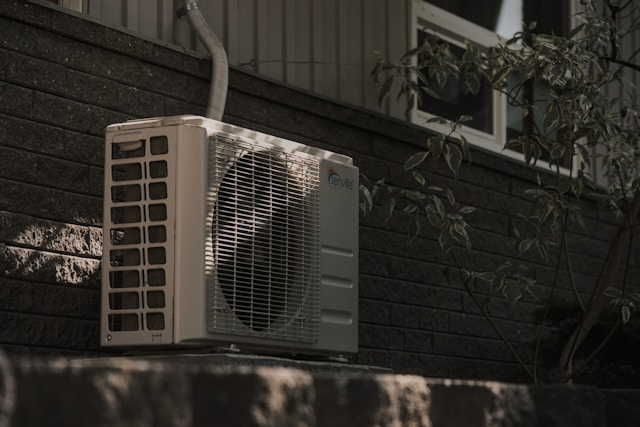
Residential Heating and Air Conditioning in Arkansas: How Homeowners Can Maximize Comfort and Lower Energy Bills focuses on practical ways homeowners can improve indoor comfort, increase energy efficiency, and extend the lifespan of their heating and cooling equipment. Whether you are considering a new home HVAC installation, scheduling furnace repair, upgrading to a heat pump, or improving routine HVAC maintenance, understanding your options helps you make better long-term decisions.
Why Heating and Cooling Matter in Arkansas Homes
Arkansas weather places year-round demands on residential HVAC systems. During summer, air conditioning systems must manage heat and humidity. During winter, residential heating systems must provide reliable warmth when temperatures drop. If your system is outdated, poorly maintained, or improperly sized, it may run longer than necessary, use more energy, and still fail to keep your home comfortable.
An efficient HVAC system supports:
- Stable indoor temperatures
- Lower energy consumption
- Better indoor air quality
- Reduced humidity problems
- Fewer unexpected breakdowns
- Longer equipment lifespan
- Improved home value
Because HVAC systems are among the most important mechanical systems in a home, regular care and smart upgrades can provide meaningful savings over time.
Signs Your HVAC System Needs Repair
Many homeowners wait until their system stops working before calling for service. However, most HVAC problems show warning signs before a complete breakdown occurs. Recognizing these signs early can prevent more expensive damage.
Common signs your HVAC system needs repair include:
Uneven Heating or Cooling
If one room feels hot while another feels cold, your system may have airflow problems, duct issues, thermostat concerns, or failing components.
Weak Airflow
Poor airflow from vents may indicate clogged air filters, duct leaks, blower motor issues, or restricted airflow inside the system.
Unusual Noises
Grinding, banging, squealing, or rattling sounds should not be ignored. These noises may signal loose parts, worn bearings, motor problems, or other mechanical concerns.
Rising Utility Bills
If your energy bills increase without a clear reason, your HVAC system may be working harder than necessary due to poor efficiency or hidden problems.
Frequent Cycling
Systems that turn on and off too often may be improperly sized, low on refrigerant, or experiencing thermostat problems.
Poor Indoor Comfort
If your home never feels comfortable despite thermostat adjustments, your heating or cooling system may need professional attention.
Strange Odors
Musty smells may indicate mold or moisture issues, while burning odors could point to electrical or mechanical problems.
Prompt repairs help restore performance, reduce energy waste, and prevent small issues from becoming major system failures.
The Benefits of Routine HVAC Maintenance
Routine HVAC maintenance is one of the best ways to protect your investment. Just like a vehicle needs regular oil changes and inspections, heating and cooling systems require seasonal service to operate efficiently.
Benefits of routine maintenance include:
Improved Energy Efficiency
Dust, debris, dirty coils, and clogged filters can force your system to work harder. Regular cleaning and adjustments help equipment operate more efficiently.
Fewer Breakdowns
During maintenance visits, technicians can identify worn parts, electrical issues, airflow restrictions, and other concerns before they cause major failures.
Longer Equipment Lifespan
Well-maintained HVAC systems typically last longer than neglected systems. Preventative care reduces strain on motors, compressors, fans, and other critical components.
Better Indoor Air Quality
Maintenance helps keep air filters, coils, and ventilation components cleaner, reducing dust and airborne contaminants inside the home.
More Reliable Comfort
Seasonal HVAC tune-ups help ensure that your system is ready before peak heating or cooling seasons arrive.
Most homeowners should schedule HVAC maintenance twice a year: once before summer cooling season and once before winter heating season.
Choosing the Right Heating and Cooling System
Selecting the right HVAC system is an important decision for Arkansas homeowners. The best option depends on home size, insulation, budget, comfort preferences, and energy goals.
Central Air Conditioning Systems
Central air conditioning systems are common in Arkansas homes because they provide whole-home cooling through ductwork. When properly sized and installed, central air systems offer dependable comfort during hot weather.
Furnaces
Furnaces remain a popular residential heating option. They heat air and distribute it throughout the home using ducts. Furnace repair and maintenance are important for safety, efficiency, and consistent winter comfort.
Heat Pumps
Heat pumps are an energy-efficient option because they provide both heating and cooling. Instead of generating heat like a furnace, a heat pump transfers heat from one place to another. In summer, it removes heat from the home. In winter, it draws heat from outdoor air and moves it indoors.
Heat pumps can be a strong choice for Arkansas homes because the climate is often suitable for efficient year-round operation.
Ductless Mini-Split Systems
Ductless systems are useful for additions, garages, older homes, or rooms that are difficult to condition with traditional ductwork. They provide zoned heating and cooling without requiring extensive duct installation.
HVAC Replacement
If your system is old, inefficient, or frequently breaking down, HVAC replacement may be more cost-effective than repeated repairs. Newer systems often provide better energy efficiency, improved comfort, and lower operating costs.
Home HVAC Installation: Why Proper Sizing Matters
A successful home HVAC installation depends on proper system sizing. Bigger is not always better. An oversized system may cycle on and off too frequently, causing uneven comfort, increased wear, and poor humidity control. An undersized system may run constantly and still fail to reach the desired temperature.
Professional contractors evaluate factors such as:
- Home square footage
- Insulation levels
- Window efficiency
- Ceiling height
- Duct condition
- Local climate
- Household comfort needs
Correct sizing helps ensure efficient operation and long-term comfort.
Improving Energy Efficiency at Home
Energy efficiency is a major priority for Arkansas homeowners because heating and cooling can account for a large portion of monthly utility costs. Fortunately, several improvements can help reduce energy waste.
Replace Dirty Air Filters
Air filters should be checked regularly and replaced as needed. A clogged filter restricts airflow, forces the system to work harder, and can reduce indoor air quality.
Seal Leaky Ductwork
Duct sealing helps prevent conditioned air from escaping before it reaches living spaces. Leaky ducts can waste energy and create uneven temperatures throughout the home.
Improve Home Insulation
Home insulation helps keep warm air inside during winter and outside during summer. Proper attic, wall, and crawl space insulation reduces strain on HVAC equipment.
Seal Air Leaks
Gaps around doors, windows, attic openings, and utility penetrations can allow conditioned air to escape. Sealing these leaks improves comfort and efficiency.
Use Ceiling Fans Wisely
Ceiling fans help circulate air and improve comfort. In summer, they can make rooms feel cooler, allowing homeowners to raise thermostat settings slightly.
Schedule Seasonal HVAC Tune-Ups
Routine service ensures equipment is clean, calibrated, and operating efficiently before extreme weather arrives.
Smart Thermostat Advantages
Smart thermostats are one of the simplest upgrades homeowners can make to improve comfort and reduce energy costs. These devices allow better control over heating and cooling schedules.
Benefits of smart thermostats include:
- Programmable temperature settings
- Remote access through mobile apps
- Energy usage tracking
- Automatic schedule learning
- Improved comfort control
- Reduced unnecessary system operation
For example, homeowners can set temperatures higher during summer when no one is home and lower them before returning. This reduces energy use without sacrificing comfort.
Smart thermostats are especially valuable for busy households because they make it easier to manage comfort automatically.
Indoor Air Quality and HVAC Performance
Indoor air quality affects health, comfort, and overall home performance. HVAC systems play an important role in filtering and circulating indoor air.
Common indoor air quality concerns include:
- Dust
- Pollen
- Pet dander
- Mold spores
- Humidity
- Poor ventilation
Homeowners can improve indoor air quality by replacing air filters regularly, scheduling duct inspections, maintaining proper humidity levels, and considering upgraded filtration options.
Cleaner air helps create a healthier living environment and may reduce allergy or respiratory irritation for some households.
Extending HVAC Equipment Lifespan
Heating and cooling systems are significant investments, so extending equipment lifespan should be a priority.
Homeowners can protect their systems by:
- Scheduling routine maintenance
- Replacing air filters
- Keeping outdoor units clear of debris
- Addressing repairs promptly
- Avoiding extreme thermostat changes
- Improving insulation and ductwork
- Using smart thermostat schedules
When systems are not forced to work harder than necessary, they often last longer and perform more reliably.
When to Consider HVAC Replacement
Repairing an HVAC system may make sense when the equipment is relatively new and the issue is minor. However, replacement may be the smarter choice in some situations.
Consider HVAC replacement if:
- Your system is more than 10 to 15 years old
- Repairs are becoming frequent
- Energy bills continue rising
- Comfort problems persist
- The system uses outdated technology
- Repair costs are approaching replacement costs
- Indoor air quality is declining
A modern system can provide improved efficiency, quieter operation, better humidity control, and greater comfort.
Utility Savings and Long-Term Value
Energy-efficient HVAC upgrades can deliver long-term savings by reducing monthly utility expenses. While the exact savings depend on the system, home condition, and usage habits, many homeowners notice improved comfort and lower energy waste after upgrading equipment, sealing ducts, improving insulation, or installing smart thermostats.
Beyond utility savings, HVAC improvements can also increase home value. Buyers often appreciate updated heating and cooling systems because they reduce future repair concerns and improve confidence in the home’s condition.
Working With a Professional HVAC Contractor
Choosing the right HVAC contractor is essential for installation, repair, and maintenance. A qualified professional can evaluate your home, recommend suitable equipment, perform safe repairs, and help improve efficiency.
Look for a contractor with experience in:
- Residential heating
- Air conditioning systems
- Home HVAC installation
- Furnace repair
- Heat pumps
- HVAC maintenance
- Duct sealing
- Indoor air quality solutions
Professional guidance helps homeowners avoid costly mistakes and ensures systems are installed and serviced correctly.
Conclusion
Residential Heating and Air Conditioning in Arkansas: How Homeowners Can Maximize Comfort and Lower Energy Bills highlights the importance of reliable, efficient HVAC systems for year-round comfort. Arkansas homeowners face both hot summers and cold winters, making dependable heating and cooling essential for daily living.
By recognizing repair warning signs, scheduling routine HVAC maintenance, choosing the right heating and cooling system, improving home insulation, sealing ducts, replacing air filters, and using smart thermostats, homeowners can reduce energy waste and improve indoor comfort. Whether you need furnace repair, air conditioning service, heat pump installation, or full HVAC replacement, investing in your home’s comfort system can provide lasting benefits.

- Copyright © 2018 M and M Heating and Air, all rights reserved.
