Follow Us x
Beating the Humidity: Expert Air Conditioning Repair Tips for Little Rock Homeowners
October 27, 2025Your air conditioner’s battle with Little Rock’s intense humidity can strain the system and lead to costly repairs if left unchecked. When moisture overwhelms your AC unit, you’ll notice problems like poor cooling, higher energy bills, and potential water damage from improper drainage. You’ll get the best results by partnering with M and M Heating & Air to properly size your system, install smart controls, and maintain clean airflow – helping you stay comfortable while avoiding humidity-related breakdowns.
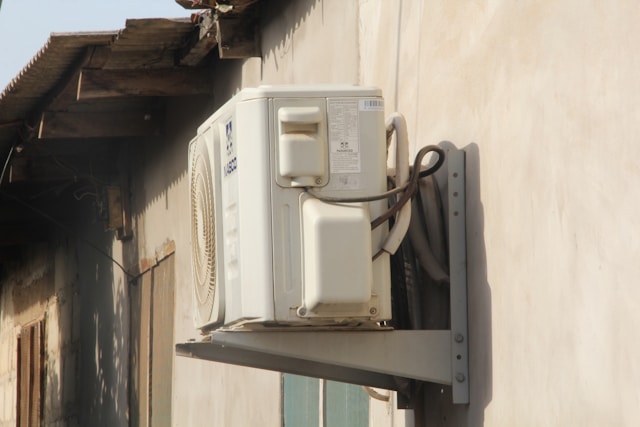
Why Humidity Is a Serious Challenge for AC Systems in Little Rock
Your air conditioner in Little Rock faces a tough battle against the region’s intense humidity levels. When your AC system isn’t performing at its best, the high moisture content in Arkansas’s subtropical climate can overwhelm its ability to maintain comfortable indoor conditions. You’ll notice not only reduced cooling effectiveness but also increased strain on your system, which often leads to higher energy costs and potential equipment damage.
High moisture levels reduce comfort and strain underperforming systems in Arkansas’s humid subtropical climate
Living in Little Rock means dealing with intense humidity levels that can quickly turn your home into an uncomfortable environment. When your air conditioning repair isn’t optimized for humidity control, your system works harder while delivering less comfort.
- Excess moisture makes rooms feel warmer than they are
- High humidity strains AC components
- Systems run longer, increasing energy costs
- Poor moisture removal leads to potential mold growth
- Inefficient humidity control reduces indoor air quality
Common AC Failures Caused by Moisture and Poor Airflow
Your AC system’s performance takes a substantial hit when moisture and poor airflow combine to create problems throughout the unit. Dirty evaporator coils and clogged air filters restrict proper airflow, making it harder for your system to remove humidity while cooling your home. When refrigerant leaks develop, your AC’s ability to both cool and dehumidify weakens notably, leading to uncomfortable indoor conditions and higher energy bills.
Dirty coils, clogged filters, and refrigerant leaks weaken cooling and dehumidification
In and around Little Rock’s humid climate, three common AC problems can seriously impact your system’s performance: dirty coils, clogged filters, and refrigerant leaks. Regular hvac maintenance helps prevent these issues from reducing your unit’s cooling and dehumidification capabilities.
- Coils covered in dirt can’t effectively transfer heat
- Clogged filters restrict essential airflow through the system
- Refrigerant leaks reduce cooling power and efficiency
- Dirty components make your AC work harder and cost more
- Poor maintenance leads to decreased humidity control
How Proper Sizing and Smart Thermostats Improve Humidity Control
Your air conditioner’s ability to control humidity depends heavily on proper system sizing and smart temperature management. When your AC unit is correctly sized for your home, it runs longer cooling cycles that effectively remove moisture from the air instead of short-cycling, which leaves excess humidity behind. You’ll get even better results by installing a smart thermostat that can precisely regulate run times and maintain ideal humidity levels through intelligent cycling patterns.
Correctly sized systems and modern controls run longer cycles and remove more moisture
Many Little Rock homeowners don’t realize that an oversized air conditioning system can actually make their humidity problems worse. You’ll get better moisture removal with a properly sized unit and smart thermostat for humidity control, as these run longer cooling cycles.
- Longer cycles allow more time for moisture removal
- Right-sized systems maintain consistent temperatures
- Regular duct cleaning improves airflow efficiency
- Smart thermostats adjust runtime based on humidity levels
- Proper sizing prevents short-cycling that leaves moisture trapped
Drainage and Maintenance Tips to Prevent Indoor Water Damage
Regular maintenance of your AC system’s drainage components is vital for preventing water damage in Little Rock’s humid climate. You’ll need to check and clear condensate lines monthly during peak cooling season to avoid clogs that can lead to damaging overflow issues. Scheduling professional tune-ups at least once per year will help identify potential drainage problems before they cause indoor moisture damage or dangerous mold growth.
Keep condensate lines clear and schedule annual tune-ups to avoid overflow and mold risks
While Little Rock’s humid climate puts extra strain on air conditioning systems, keeping condensate lines clear is important for preventing water damage and mold growth in your home. Professional AC drainage solutions can help maintain proper moisture control and system efficiency.
- Schedule annual maintenance checks to inspect and clean condensate lines
- Pour a cup of vinegar through your drain line every 3 months
- Look for signs of water backup near your indoor unit
- Install a float switch to automatically shut off your system if overflow occurs
- Consider installing an ultraviolet light system to prevent algae growth in drain lines
Partnering with M and M Heating & Air for Lasting Comfort
You’ll find M and M Heating & Air’s deep understanding of Little Rock’s unique climate challenges essential for maintaining your AC system’s peak performance. Their expert diagnostics and customized repair services specifically address the region’s high humidity issues while maximizing your system’s cooling efficiency. With their specialized knowledge of local conditions, you can count on M and M to keep your indoor air quality balanced and your home consistently comfortable throughout Arkansas’ demanding summer months.
Local expertise, diagnostics, and customized repairs ensure peak AC performance and indoor air quality
Professional AC technicians with local expertise understand the unique challenges that Little Rock’s humid climate poses to residential cooling systems. When you partner with experienced Arkansas specialists, you’ll benefit from thorough diagnostics and tailor-made solutions that improve both cooling efficiency and indoor air quality.
- Advanced system performance testing
- Humidity-specific troubleshooting
- Detailed air quality assessments
- Climate-adapted repair strategies
- Custom maintenance plans for regional conditions

- Copyright © 2018 M and M Heating and Air, all rights reserved.
